

Why Custom Trading Cards Could Be Your Most Memorable Marketing Campaign
Pack opening video of a Microsoft Xbox promotional trading card set with custom-printed foil wrappers.
Most marketing teams face the same problem. Not a lack of ideas. A lack of attention.
Consumers are exposed to thousands of marketing messages every day. They're scrolling past ads, deleting emails, skipping videos, and filtering out promotions almost automatically. Even genuinely good campaigns can struggle to stand out.
That's why some of the most effective marketing ideas aren't necessarily the biggest or most expensive. They're the ones people don't expect.
Custom trading cards fall squarely into that category.
At first glance, they seem almost old-fashioned. But that's part of their appeal. In a world dominated by digital content, something physical, collectible, and interactive immediately feels different.
And different is often exactly what marketing needs.
Giving Customers Something to Look Forward To
One reason people collect trading cards is anticipation. There's always another card to discover. Brands can tap into that same psychology through seasonal releases.
Imagine introducing a limited-edition holiday card each December. Or launching a summer-themed collection that only appears for a few months each year. Suddenly, customers aren't just interacting with your brand once. They're anticipating what's coming next.
The smartest promotions create habits. People begin checking for new releases because they don't want to miss out.
And once anticipation enters the picture, engagement tends to follow.
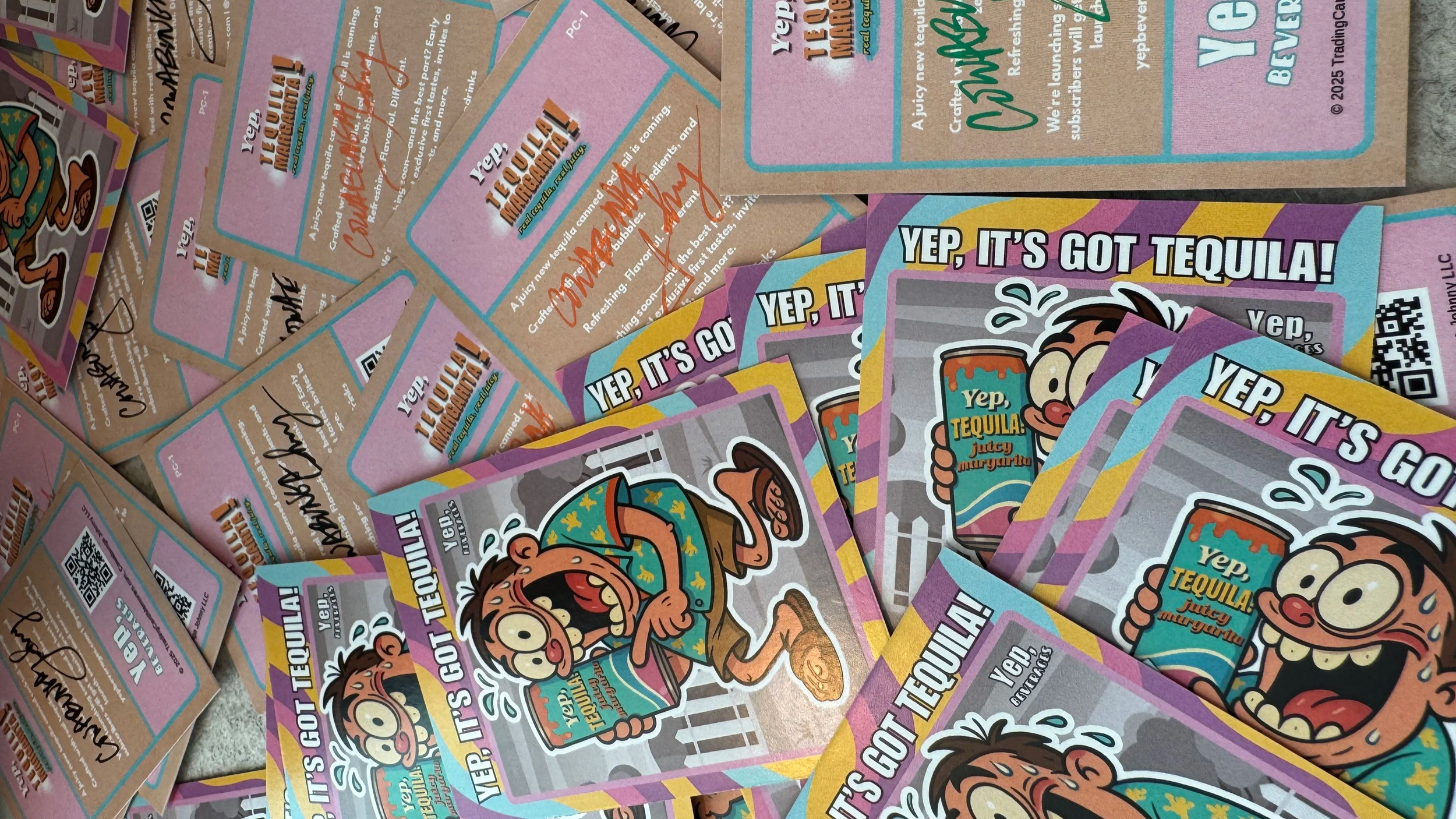
Turning Customers Into Participants
The best marketing campaigns rarely feel like marketing. They feel like participation. That's why contests continue to work so well when they're done right.
Instead of asking customers to simply like, comment, or share, invite them to help shape the next card in your collection. Let them submit designs. Vote on themes. Suggest characters, products, or features to highlight.
Now they're not just viewing your content. They're contributing to it.
People naturally become more invested in things they've helped create. It's one of the oldest principles in marketing, yet surprisingly few brands take advantage of it.
Building Curiosity Before a Product Launch
Most product launches follow a familiar pattern. A teaser image. A countdown timer. A launch announcement.
There's nothing wrong with that approach, but consumers have seen it countless times.
Trading cards create opportunities to build suspense differently.
Instead of revealing everything at once, brands can release teaser cards containing hints about an upcoming product. Maybe it's a silhouette. Maybe it's a blurred image. Maybe it's a clue hidden in the card's statistics or design.
People love solving puzzles. And they love being among the first to figure something out.
Before long, customers start discussing possibilities, sharing theories, and generating buzz on your behalf.
Not because they're being asked to. Because they're genuinely curious.
Loyalty Programs That Feel Less Transactional
Many loyalty programs are built around discounts. Spend money. Earn points. Redeem rewards. Simple enough.
The problem is that every competitor can offer something similar.
Collectible trading cards introduce an emotional element that traditional loyalty programs often lack.
Imagine sending your most loyal customers an exclusive card every year. Each edition features a new design, a unique story, or a special offer available only to cardholders.
The reward suddenly feels personal.
Instead of simply receiving another discount code, customers become part of an ongoing collection. For many brands, that subtle shift can make a surprising difference.
Teaching Without Looking Like You're Teaching
Educational marketing is one of the most effective forms of content marketing.
It's also one of the easiest to get wrong. Too much information and people lose interest. Too little and the content lacks value.
Trading cards naturally encourage bite-sized learning.
A nutrition company could create cards highlighting vitamins, minerals, and health benefits. A technology business might explain key product features through card stats. A financial services firm could simplify complex concepts into collectible learning pieces.
The customer learns something useful. The brand remains top of mind. And nobody feels like they're sitting through a sales presentation. That's a win for everyone involved.
The Real Advantage Isn't the Card
People often focus on the physical product. The card stock. The artwork. The packaging.
Those details matter, but they aren't the reason these campaigns work. The real advantage is engagement.
Trading cards encourage people to collect, share, compare, discuss, and revisit. Most marketing materials get consumed once and forgotten. Trading cards invite repeated interaction.
That's a meaningful difference.
Especially at a time when attention has become one of the most valuable resources in business.
Why More Brands Are Exploring Collectible Marketing
Marketing trends come and go.
Platforms change. Algorithms change. Consumer behaviour changes.
What doesn't change is human nature. People still enjoy stories. They still enjoy collecting things. They still enjoy discovering something unexpected.
Custom trading cards combine all three. They're not a replacement for your broader marketing strategy, and they won't magically solve every promotional challenge. But they can help create the one thing every marketer is chasing: a reason for people to remember you.
And in a crowded marketplace, being remembered is often half the battle.
If you're exploring new ways to generate buzz, reward loyal customers, or make your next campaign more engaging, custom trading cards might be worth a closer look. Sometimes the most effective marketing ideas come from formats that everyone else has overlooked.